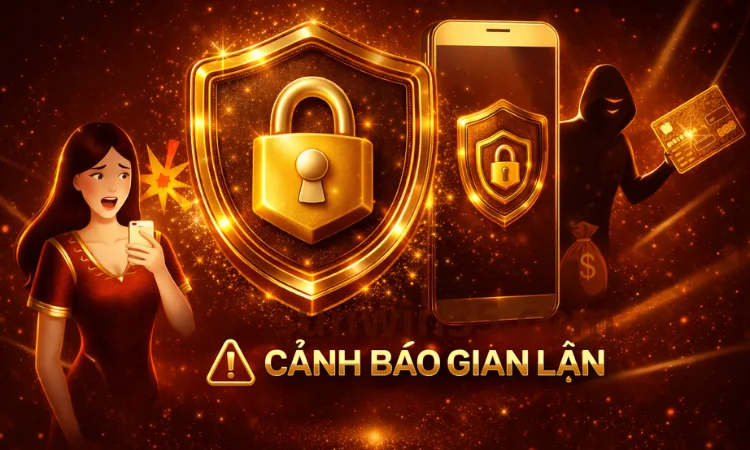
Hiện có nhiều đối tượng giả mạo 99ok nhằm mục đích lừa đảo người chơi.
99ok chỉ sử dụng duy nhất tên miền chính thức:
waterfoodecosystems.nl





| Kho Game | Cơ Chế Hoạt Động |
|---|---|
| Thể Thao: Bóng đá, Bóng rổ, Tennis, eSports | Tỷ lệ cược odds cập nhật theo thời gian thực từ các nguồn dữ liệu uy tín. |
| Casino: Baccarat, Roulette, Sic Bo | Livestream trực tiếp từ các sảnh casino chuyên nghiệp với người chia bài thật. |
| Nổ Hũ: Slot games, Jackpot | Dựa trên thuật toán RNG đã được kiểm định, kết quả quay mang tính ngẫu nhiên. |
| Game Bài: Poker, Blackjack | Đòi hỏi kỹ năng, chiến thuật và khả năng quản lý vốn từ người chơi. |
Hiện có nhiều đối tượng giả mạo 99ok nhằm mục đích lừa đảo người chơi.
99ok chỉ sử dụng duy nhất tên miền chính thức:
waterfoodecosystems.nlĐây được xem là một trong những thắc mắc quan trọng nhất đối với người dùng. 99ok com được cấp phép hoạt động hợp pháp bởi các tổ chức có thẩm quyền và tuân thủ chặt chẽ các quy định quốc tế về kinh doanh cá cược. Điều này đảm bảo rằng mọi hoạt động tại đây đều diễn ra công bằng, minh bạch, xây dựng được niềm tin vững chắc trong cộng đồng.
Một trong những ưu điểm nổi bật của 99ok vip là chính sách hỗ trợ giao dịch tài chính. Thông thường, các giao dịch nạp và rút tiền tại đây đều không mất phí. Cơ chế này giúp người tham gia tối ưu hóa lợi nhuận không cần lo ngại rủi ro với các khoản chi phí phát sinh, đảm bảo mọi khoản tiền đều được sử dụng hiệu quả.
Mọi giao dịch nạp/rút 99OK đều thực hiện nhanh chóng 3-5 phút. Đặc biệt, mọi giao dịch đều miễn phí 100%, không phát sinh phí ẩn dưới bất kỳ hình thức nào và KHÔNG GIỚI HẠN số lượng nạp/rút, tuy nhiên mỗi lần rút cần xác thực OTP để đảm bảo an toàn.
Cách xử lý nhanh nhất là liên hệ trực tiếp bộ phận chăm sóc khách hàng của 99OK.
Kênh hỗ trợ: Đa dạng 24/7, bao gồm: Live Chat (trực tiếp trên website), Zalo, Telegram, Email, Hotline.
Chất lượng: Đội ngũ CSKH của 99OK được đào tạo bài bản, phản hồi nhanh (Live Chat gần như tức thì), thái độ lịch sự, và quan trọng nhất là giải quyết được vấn đề (từ lỗi đăng nhập, quên mật khẩu, đến thắc mắc về khuyến mãi).
Khi bạn quên mật khẩu, hãy chọn chức năng “Quên mật khẩu” trên trang đăng nhập. Sau khi cung cấp thông tin đã đăng ký để xác minh, bạn sẽ nhận được hướng dẫn chi tiết qua email hoặc số điện thoại để đặt lại mật khẩu mới. Quy trình này rất nhanh chóng và đảm bảo an toàn cho tài khoản của bạn.
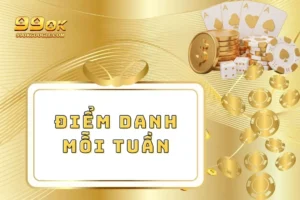
Điểm danh mỗi tuần là một trong những chương trình khuyến mãi thú vị nhất [...]
99ok vip là chương trình đặc biệt dành riêng cho những khách hàng thân thiết [...]
Bắn cá phát tài 99ok là một trong những tựa game giải trí thu hút [...]
Nạp đầu tặng 199k là chương trình ưu đãi cực hấp dẫn dành cho khách [...]
Hoàn trả 1.5% không giới hạn là chương trình ưu đãi cực kỳ hấp dẫn [...]
Mẹo bắn cá tốn ít xu luôn là từ khóa hấp dẫn đối với những [...]
Nạp thưởng 0.5% không giới hạn là chương trình khuyến mãi cực kỳ hấp dẫn [...]
Ưu đãi ngày hội viên là chương trình tri ân đặc biệt dành cho các [...]